

פיתוח הדרכות VR/AR לעובדים
הצעה ייחודית
הדרכה למיומנויות מקצועיות —
תרגול פעולות ידניות, הרכבה ותחזוקת ציוד בתוך עותק דיגיטלי של מקום העבודה.
הדרכה למיומנויות רכות —
משא ומתן, מכירות, שירות לקוחות, מצבי קונפליקט, ראיונות — עם דמויות מונעות בינה מלאכותית.
הטמעה לעובדים חדשים —
הכרות עם תהליכים, ציוד ופרוטוקולים ארגוניים בסביבת VR אחת.
הוראות AR במקום העבודה —
הנחיות חזותיות על ציוד אמיתי דרך טלפון, טאבלט או משקפי AR.
אנליטיקה לכל עובד —
תיעוד פעולות, שגיאות וזמן. ניקוד כישורים עם ייצוא ל-LMS.
התאמה והמרה —
פיתוח עבור Meta Quest, HTC Vive, Pico, Varjo, ARKit, ARCore.
למה לבחור בנו:
מומחיות בהדרכת VR/AR להכנה מקצועית ומיומנויות רכות.
אנו משתמשים במנועים מודרניים (Unity, Godot).
התאמה אישית לצרכי הלקוח והקהל.
השקה מהירה של אב-טיפוס ו-MVP.
תמיכה ועדכונים לאחר השחרור.
בקרת איכות קפדנית והפחתת סיכונים.
איך אנחנו עובדים:
ייעוץ ויעדי למידה
אנו מגדירים כישורים, מדדי הצלחה וחומרה זמינה.
פיתוח תרחישים
מתודולוג ומומחה מטעם הלקוח מתארים סצנות, הסתעפויות וקריטריוני ניקוד.
אב-טיפוס ובדיקות UX
תצוגה מקדימה מוקדמת עם מפתחים ומדריכים, סינון מכניקות לא נוחות.
פיתוח
תוכן תלת-ממדי, תכנות לוגיקה, אנליטיקה, לוקליזציה קולית.
פיילוט לקהל
בדיקה עם 10–30 עובדים, בדיקות FPS ומחלת תנועה.
השקה ותמיכה
פריסת מכשירים, הכשרת מדריכים, עדכוני SLA.
יתרונות שיתוף הפעולה:
- מפתחי VR/AR מנוסים עם מתודולוגים בצוות.
- מודלים גמישים של התקשרות: ממשימות בודדות ועד תמיכה ארוכת טווח.
- שקיפות בשלבים, לוח זמנים ותקציב.
- אופטימיזציית עלויות באמצעות ניסיון ופתרונות מוכחים.
- משוב קבוע והדגמת התקדמות.
מקרים
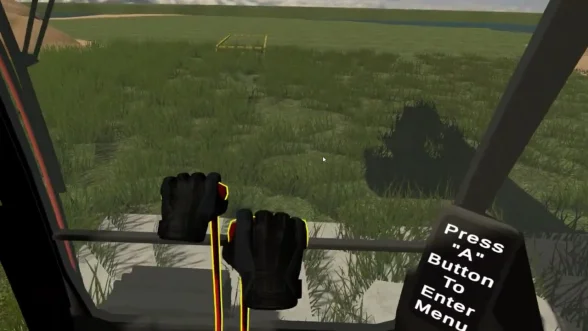
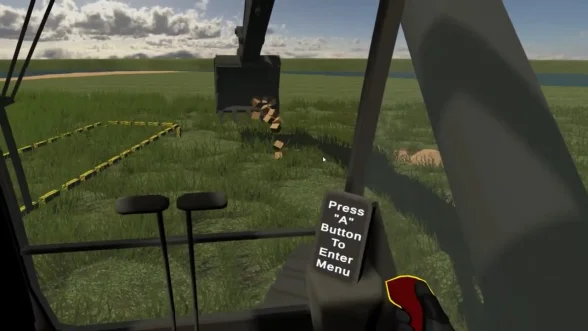
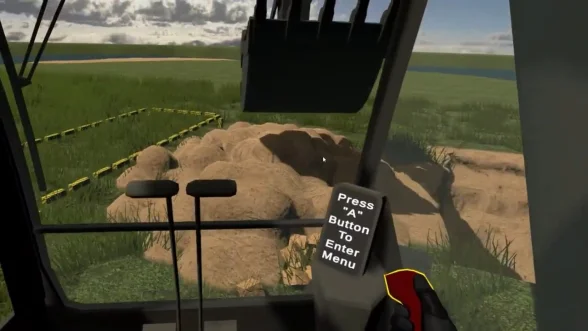
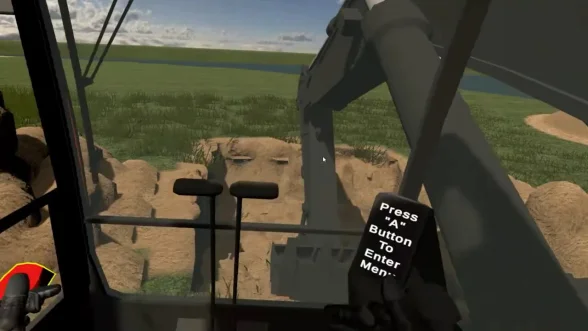
הכשרת מפעיל מחפר ב-VR
סימולטור וירטואלי לשליטה במחפר לתרגול פעולות בסיסיות ומתקדמות: חפירה, הזזת עפר, עבודה עם הזרוע והדלי. המתאמן משתמש בפיזיקה ובבקרות ריאליסטיות, ולומד נהלי בטיחות ודיוק בעבודה ללא סיכון לנזק לציוד.
סוג: סימולטור VR להפעלת ציוד כבד
פלטפורמה: Unity
סימולטור VR להדרכת עובדים
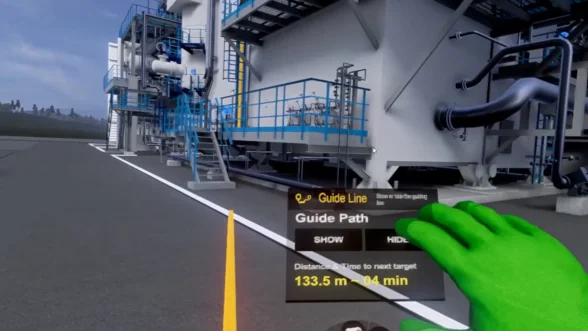
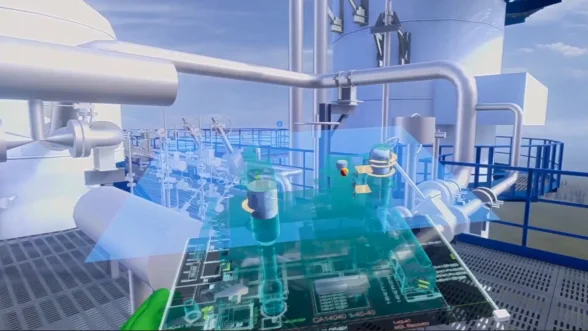
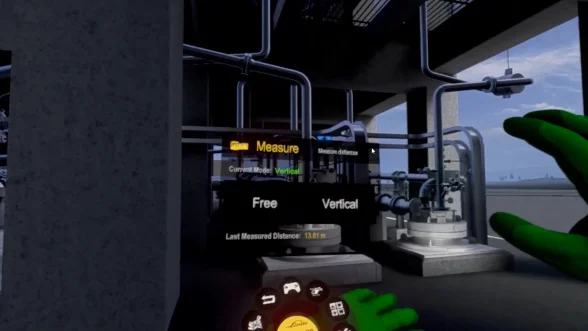
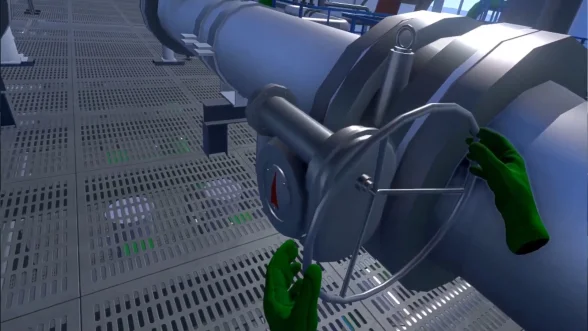
עותק וירטואלי של מתקן ייצור אמיתי להדרכת עובדים בטוחה. המשתמש חוקר ציוד (כולל דמתניזר), מקבל נתונים טכניים דרך לוחות מידע, מבצע מדידות עם כלים וירטואליים ומתרגל טיפול בשסתומי סגירה.
סוג: סימולטור VR להדרכה תעשייתית
פלטפורמה: Unity
דוגמאות נוספות
— תרחישי VR לאימון
הדרכת תגובה לשעת חירום ב-VR
סימולציה של אירוע חריג — ירידת לחץ במערכת הקירור. המתאמן מקבל אזעקה, עוקב אחר הנוהל, עולה לרמה השנייה של המתקן ומתאים פרמטרים של מדחס על לוח הבקרה, תוך תרגול אלגוריתם הפעולה הנכון לאירוע.
סוג: סימולטור VR לתרגילי תגובה לשעת חירום
פלטפורמה: Unity
ויזואליזציית AR של תשתיות הנדסיות
מציאות רבודה לאתר בנייה: פריסת תלת-ממד מדויקת של תשתיות הנדסיות עתידיות (צינורות, תעלות, מערכות) מוצגת בזמן אמת על פני הפנים האמיתיים של בניין בבנייה.
סוג: פתרון AR לפרויקטי בנייה והנדסה
פלטפורמה: Unity
מדריך AR להחלפת מיקסר דינמי
באמצעות HoloLens ותוכנת Manifest, מומחים יוצרים ועוקבים אחר נוהל שלב-אחר-שלב להחלפת המיקסר הדינמי במכונת איטום זכוכית בידודית.
סוג: פתרון AR לתחזוקה והדרכה
פלטפורמה: HoloLens + Manifest

הורד מצגת
כל השירותים שלנו, מקרים והגישה — במסמך PDF אחד.
F.A.Q.
אילו מכשירי VR/AR נתמכים?
VR: Meta Quest 2/3/Pro, HTC Vive, Pico, Varjo, Valve Index (OpenXR). AR: iOS/Android, HoloLens 2, Magic Leap 2, RealWear.
כמה זמן לוקח תרחיש אחד?
תרחיש VR של 15–30 דקות — 6–10 שבועות. פיילוט בענף יחיד — 3–4 שבועות.
כיצד אתם מתמודדים עם בחילות תנועה?
תנועה באמצעות טלפורט/סיבוב נוח, עמעום קצוות, מפגשים קצרים של 7–15 דקות. אנו בודקים על קבוצת מיקוד.
אינטגרציית LMS?
SCORM 2004, xAPI/Tin Can, REST. אנו עובדים עם Moodle, iSpring, TalentLMS ומערכות ארגוניות.
האם נוכל לעדכן תרחישים בעצמנו?
כן, אנו מספקים CMS לתרחישים ומכשירים מאמנים פנימיים.
מה לגבי NDA ונתוני עובדים?
כל הפרויקטים תחת NDA. האנליטיקה מתארחת אצל הלקוח או בענן פרטי.